
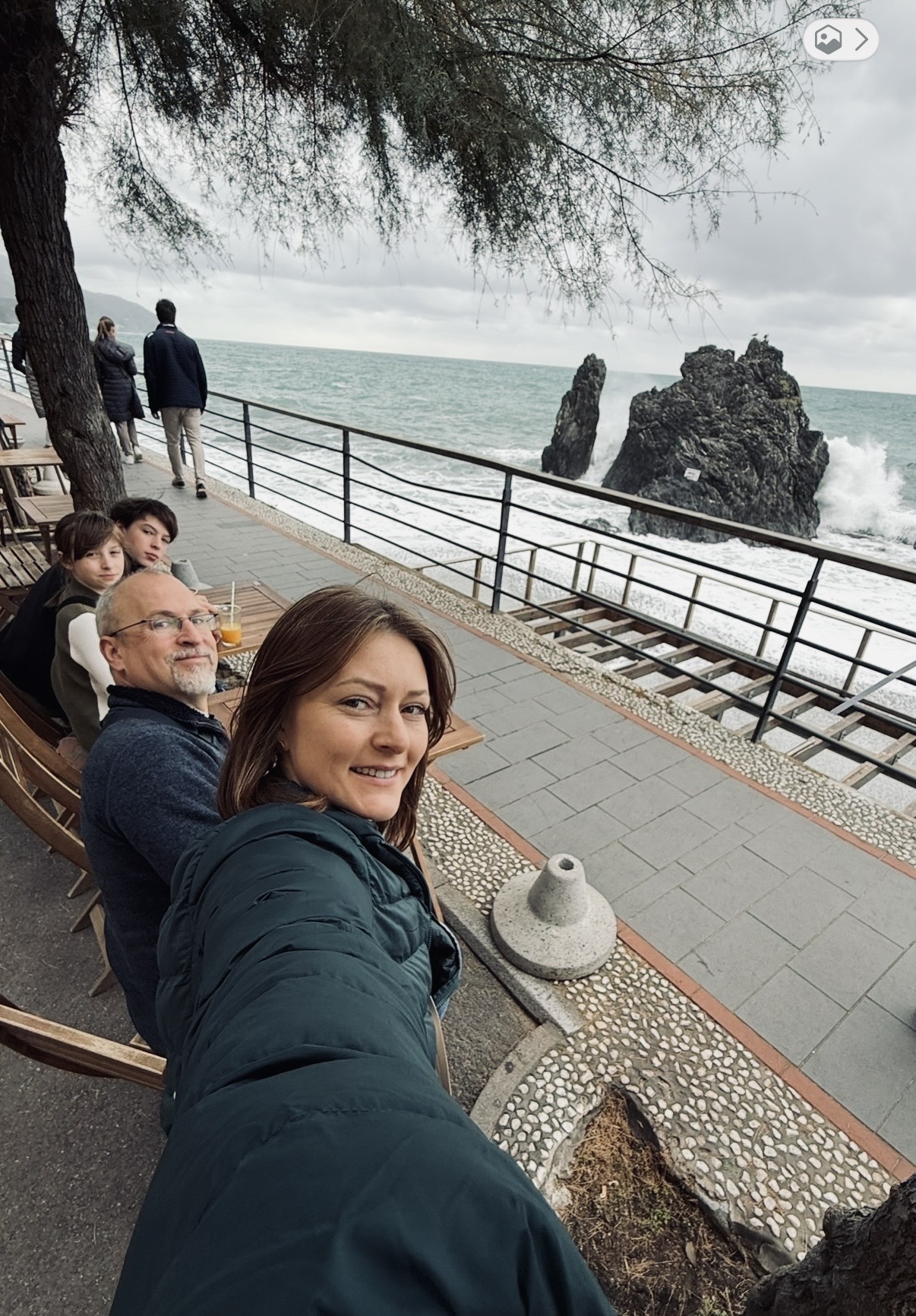
There is a specific kind of magic in watching the Lyon fog give way to the crisp, golden light of northern Italy. Last October, I traded the Rhône for the Riviera, taking the high-speed line through Milan and down into the heart of the Cinque Terre.
But if you’ve ever tried to navigate Milan Centrale during a cross-border connection or hike the steep trails between villages in the autumn, you know the "magic" can quickly turn into a logistical puzzle.
I didn't "wing it." I engineered it. Using my 4-Phase Method, I turned the October rail logic into a seamless flow.
Here’s exactly how I systemized the trip.
Phase 1: The Foundation (8–12 Weeks Out)
The Goal: The Major Route Map.
October is the "sweet spot" for Liguria—the crowds have thinned, but the trails are still open. However, the weather is a variable you have to account for in your system.
- The Decision: I chose the Lyon-to-Milan high-speed route. Milan is the ultimate "system hub"—it’s fast, efficient, and the perfect place to grab a quick espresso before the final leg to the coast.
- The Budget Ceiling: Fall is shoulder season, so I locked in my "absolute maximum" spend early, taking advantage of the slightly lower accommodation rates in Monterosso.
- Passport Check: Even on a familiar route through the Alps, I double-checked my 6-month validity. Paperwork is the one thing your system can’t "fix" at the border.
Phase 2: The Skeleton (6–8 Weeks Out)
The Goal: Locking in the Infrastructure.
In October, you aren't fighting for space with summer tourists, but you are fighting for the best train times.
- Booking the Anchors: I booked my Lyon-to-Milan and Milan-to-Monterosso legs early.
- The Monterosso Base: I chose Monterosso as my "Home Terminal." It’s the only village with a proper beach and a bit more room to breathe. I booked a "Free Cancellation" spot near the station to keep my logistics lean.
- Internal Transport Logic: I researched the Cinque Terre Card for the hiking trails. In October, some trails can close due to rain, so my system needed to be ready to pivot to the train at a moment’s notice.
Phase 3: The Details (2–4 Weeks Out)
The Goal: Curating the "Options Menu."
This is where the "Options Menu" comes in. When you’ve been hiking for four hours and you arrive in Vernazza, you don't want to "search" for a spot; you want to choose.
- The Active Menu: Since I was there to hike, I saved three "high-protein" recovery spots: a hidden focacceria in Monterosso and a seafood spot in Riomaggiore that's perfect after the steep trek from Manarola.
- Offline Maps: The stone tunnels and steep cliffs of the Cinque Terre are a GPS nightmare. I downloaded the offline data for the entire coastline so my maps wouldn't fail when I was mid-trail.
- The Safety Net: I uploaded my travel insurance and hiking permits to my Digital Vault. If my phone died in the hills, I had my backup ready.
Phase 4: The Final Countdown (1 Week Out)
The Goal: Final Touches.
Seven days before leaving Lyon, I moved into execution mode.
- The Active Packing Engine: October hiking is all about layers. I switched my system to the Active/Hiking Packing List. Using the Vanishing Logic, I stripped my bag down to moisture-wicking layers, sturdy boots, and a lightweight shell. If it didn't serve a purpose on the trail, it vanished from the list.
- The Confirmation Sweep: I double-checked the Trenitalia schedules and the weather forecast for the Ligurian Sea.
- The Vault Sync: Every boarding pass was moved into the Vault.
The Result? Total Presence.
Because the "boring" logic of the Milan connection and the hiking gear was already handled by the system, I didn't spend my trip staring at my phone. I spent it watching the sun set over the Monterosso giant.
Travel isn't about luck; it's about the Operating System you run. If you're ready to stop stressing and start exploring, you can grab the exact same Active Packing List I used for my October trek for free.